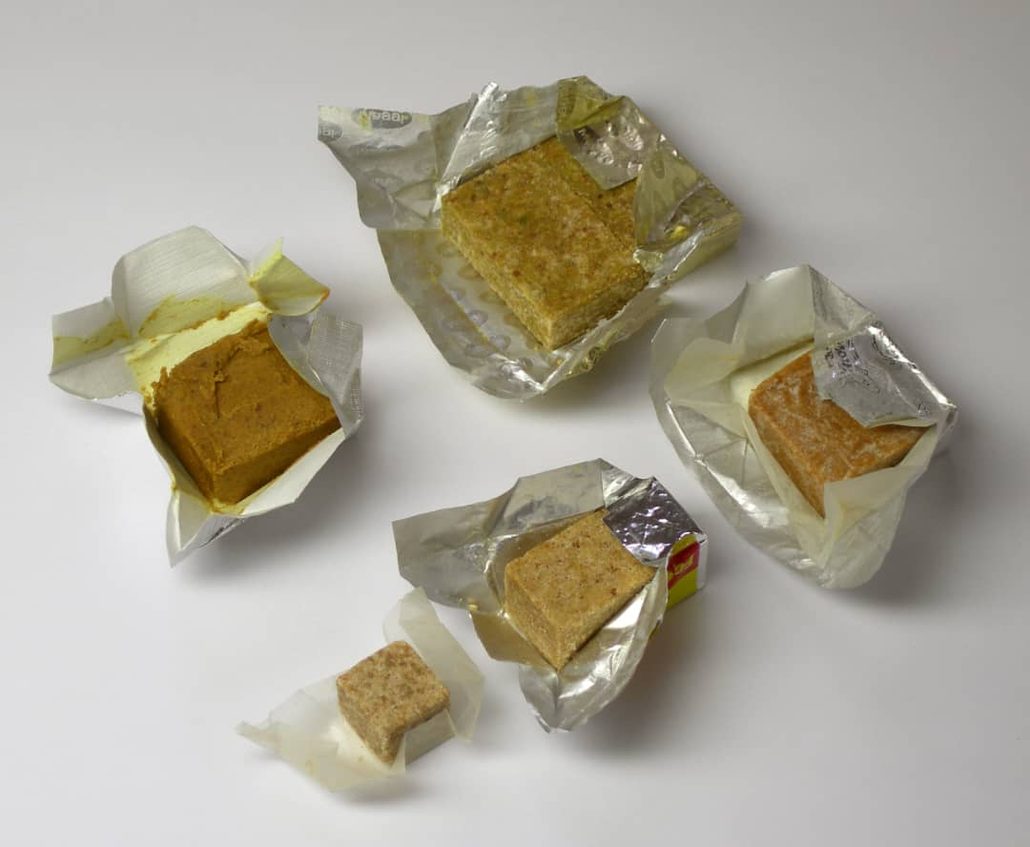
Sodium cubes
Nigeria is facing a rising prevalence of hypertension and cardiovascular diseases linked to excessive salt consumption, which it is combating through the National Guidelines for Sodium Reduction. But the country is also in a micronutrients deficiency crisis, which it aims to tackle through fortified bouillon cubes. The problem? These cubes are often excessively high in salt and other unhealthy ultra-processed items Chinyere Okoroafor examines the conflict.
Lagos-based documentary producer Simeon Hellah loves a tasty meal. But, from that day four years ago when he was diagnosed with a high blood pressure, he has been very careful about maintaining a low sodium (salt) diet.
Hellah’s decision followed medical warning that eating too much salt is the single biggest cause of high blood pressure, and a high BP raises the risk of heart attacks and strokes.
The warning also came with an advice that left him surprised.
“I was urged to drastically reduce the amount of commercial food seasonings, like bouillon cubes, that my family uses in our cooking, on the ground that they often contain plenty of salt, unhealthy fats and oils,” Hellah said. “So, these days, apart from moderating my salt consumption, I also hardly use bouillon cubes anymore. Instead, I use crayfish, Iru (African locust bean) or other natural ingredients. I now understand that although my body needs salt to function, it only requires it in very small quantities.”

Photo caption: Simeon Hellah
Nigeria’s bouillon overconsumption problem
Bouillon cubes are widely consumed across Nigeria, reaching the most remote and poorest households, with significant consequences.
A July 2026 Research by the University of Abuja found that Nigerians derive their salt predominantly from seasoning, specifically commercial bouillon cubes, like the ones sold in our markets and shops.
Like Hellah, many consumers are unaware of Bullion’s usually high salt content, and that its frequent excess consumption is a potential health risk.
A report titled, “The Hidden Dangers of Powdered Bouillon and Cubes” states that, depending on product and serving size, a single bouillon cube may contain up to 1,200 mg of sodium. According to the World Health organisation (WHO), this is already about 60 per cent of the daily limit of 2,000 mg (under 5 grams or one teaspoon of salt), that an adult should consume from a single source.
Last year, the Federal Ministry of Health and Social Welfare warned that “most Nigerians consume more than double” the WHO recommended five grams of salt per day.
Combination of sodium, bouillon

Mrs. Olukemi-Odele
“In typical Nigerian household cooking, multiple (bouillon) cubes are combined with added table salt per meal, far exceeding recommended nutrition limits,” said food scientist, Bukola Olukemi-Odele.
Mrs. Olukemi-Odele, a former Cardiovascular Health Programme Officer at Corporate Accountability and Public Participation Africa (CAPPA), spotlighted the importance of moderate sodium (or salt) consumption.
“Excessive dietary sodium intake is a primary driver of fluid retention, vascular resistance, and blood pressure spikes,” she said, stressing that in pregnant women, high sodium (salt) exposure “directly increases the risk of gestational hypertension and preeclampsia – a condition characterized by sudden high blood pressure, protein leakage in urine, organ damage, and potential progression to life-threatening eclampsia (seizures).”

Dr Joseph Ekiyor
In the same vein, United States-trained public health physician Dr. Joseph Ekiyor warned that if the blood pressure stays high, it becomes systemic hypertension, an incurable disease that drives heart failure, stroke, and kidney failure, among other non-communicable diseases (NCDs).
“People are choosing between buying medication and feeding their families. It is unsustainable,” Ekiyor said. “The danger lies not just in the salt people sprinkle on meals, but in hidden sodium found in popular foods like instant noodles, meat pies, chips, canned soups, sauces, and seasoning cubes,” he explained.
Government’s sodium reduction strategy
In March 2025, the Federal Government launched the National Guideline for Sodium Reduction to safeguard Nigerians against the silent threats of elevated risk of cardiovascular diseases linked to high salt consumption.
The Guidelines are designed to reduce sodium content across all food categories – from processed and packaged foods like bouillon, to meals prepared at home or sold in restaurants and by street vendors.
“This excessive over-consumption of sodium is directly tied to the alarming rise in hypertension, now affecting over 35 per cent of adults in our population”, Dr. Iziaq Salako, Minister of State for Health & Social Welfare stated during the ceremony in Abuja.
Enter bouillon fortification
Apart from bouillon and sodium overconsumption, Nigeria also faces a critical public health crisis driven by a “triple burden” of malnutrition: undernutrition, micronutrient deficiencies, and overnutrition. According to UNICEF Nigeria and the Global Alliance for Improved Nutrition (GAIN), the country has the highest number of malnourished children in Africa. It also ranks second globally for childhood stunting. Five of the top ten risk factors driving disability and death in Nigeria are directly linked to poor diets. Furthermore, micronutrient deficiencies can lead to anaemia, impaired cognitive development, and a weakened immunity.
In 2024, the Nigerian government enacted regulations permitting manufacturers to voluntarily fortify bouillon cubes with iron, zinc, folic acid and vitamin B12, as a way to reduce malnutrition and child mortality.
An international team, including researchers from the University of California, that worked with the government on the project acknowledged that fortification standards for foods like wheat flour and edible oils are already in place. But it argued that, unlike bouillon, these foods are either not consumed frequently or in sufficient amounts by those most in need. The team also claimed that “the policy change has the potential to save over 57,000 lives of children under the age of 5 in Nigeria between 2023 and 2030.”
One of the organisations promoting bouillon fortification is US-based Hellen Keller Foundation. Its Regional Director, Food Fortification, Augustine Okoruwa, explained why.
“Fortification is important because it is the most cost-effective way of adding micronutrients that are missing in the diet for the consumer to be able to have them delivered to them through the fortified food products. It’s really very important because as of today we have micronutrients deficiency in Nigeria, what we call hidden hunger,” Okoruwa said in an interview.
The contradiction
The government is thus trying to reduce Nigerian’s high salt consumption, while also proposing consumption of fortified bouillon – a high salt product.
The pooblem with Bouillon
Globally, bouillon manufacturers often label their products as being made from salt, sugars, starch, vegetable fats and proteins, as well as herbs and spices.
But studies have found that many bouillon cubes publicly sold consist mostly of chemically extracted materials, hydrogenated fats, and cosmetic additives like flavour enhancers and colours rather than whole foods.
An audit of 496 bouillon cubes products published on the Ultra-Processed Food List database found that nearly 95 per cent of mainstream commercial bouillon products – including some brands popular in Nigeria – contain unhealthy ingredients. They were flagged as Level three and four of the NOVA Food Classification System, meaning they are either highly processed or ultra processed. NOVA recommends that items under group four “should be limited or avoided when possible.”
Groups one and two are unprocessed or minimally processed foods and processed culinary ingredients, which are healthy to consume.
Other researchers place most bouillon cubes under NOVA 4 (ultra-processed foods), saying their consumption “has been linked to overweight/obesity and non-communicable diseases.”
Fortified bouillon’s ‘Health Halo’
Healthy food advocates warn that adding vitamins and minerals to bouillon cubes could give consumers the impression that the product itself has become healthy, a phenomenon nutrition advocates describe as a “health halo.”
“Consumers, misled by labels proclaiming ‘fortified with vitamins’, may assume such foods are beneficial and consume them in excess. This misconception contributes to the growing rates of hypertension, cardiovascular disease, and other chronic conditions, ultimately aggravating existing nutrition and public health issues rather than solving them,” said Olukemi-Odele.
“More critically, fortifying UPFs is a band-aid solution that fails to address the underlying structural drivers of poor diets, especially those shaped by corporate food systems. It allows industry actors to profit from a public health crisis instead of confronting its root causes, which includes the limited access to affordable, wholesome foods.”
Furthermore, she noted that while fortified UPFs may contain added vitamins, they often lack other beneficial components found in whole foods, such as fibre, antioxidants, and a diverse range of naturally occurring micronutrients.
Public health advocates reject bouillon fortification
On May 6, 2026, public health advocates under the Coalition for Healthy Food Advocacy, and the National Sugar-Sweetened Beverages Tax Coalition (NSSBTC) warned that using ultra-processed foods as vehicles for food fortification in Nigeria could deepen the country’s already troubling burden of diet-related diseases.
“Nigeria is already consuming nearly double the recommended daily sodium intake. We are taking a product that contributes significantly to excess salt intake and beginning to position it as part of the nutrition solution. That is a fundamental contradiction,” said Dr. Jerome Mafeni, Technical Advisor of Network for Health Equity and Development (NHED).
He cautioned that fortifying such products could worsen health outcomes by increasing consumption.
“A fortified cube is still a high-sodium risk. Adding micronutrients does not remove its core health danger,” Mafeni added.
Healthcare system under strain NCDs
The coalition pointed to mounting evidence that Nigeria’s changing food environment is driving a surge in non-communicable diseases. It warned that the healthcare system is already under strain and may not be able to cope with the long-term costs of treating these chronic conditions.
“Cardiovascular diseases now account for about 10 to 11 per cent of all deaths in Nigeria,” said Prof Dike Ojji, Lead Researcher, Cardiovascular Research Unit at the University of Abuja. “Hypertension alone affects between 25 and 30 per cent of Nigerians, and much of this is linked to diet, particularly high salt intake and the growing consumption of ultra-processed foods.”
The coalition emphasised that while food fortification remains a valid public health tool, its effectiveness depends heavily on the choice of food vehicles.
“We support food fortification. When properly designed, it is a useful tool for addressing micronutrient deficiencies,” said Akinbode Oluwafemi, Executive Director of the Corporate Accountability and Public Participation Africa (CAPPA). “What is in dispute, however, is how Nigeria is choosing to implement this strategy.”
The coalition urged the Federal Government to urgently review its fortification strategy and ensure that nutrition policies do not inadvertently promote unhealthy consumption patterns.
Nigeria’s micronutrient problem is real, but so is its growing burden of hypertension and other diet-related diseases. The question, therefore, is not whether Nigerians need more essential micronutrients, but rather whether a high-sodium, ultra-processed seasoning product is the right vehicle for delivering them.