The World Health Organization has prequalified the first-ever malaria treatment specifically designed for newborns and young infants.
The development marks a major breakthrough aimed at closing a long-standing treatment gap for one of the most vulnerable populations.
It was announced ahead of World Malaria Day 2026, the global health body said the newly approved medicine, artemether-lumefantrine, is tailored for babies weighing between two and five kilograms.
The prequalification means the drug meets international standards for quality, safety and efficacy, and is now eligible for procurement by public health systems.
Until now, infants diagnosed with malaria were treated using formulations meant for older children, raising the risk of incorrect dosing, side effects and toxicity.
The WHO said the development is expected to improve access to safe and effective treatment for an estimated 30 million babies born annually in malaria-endemic regions, particularly in Africa.
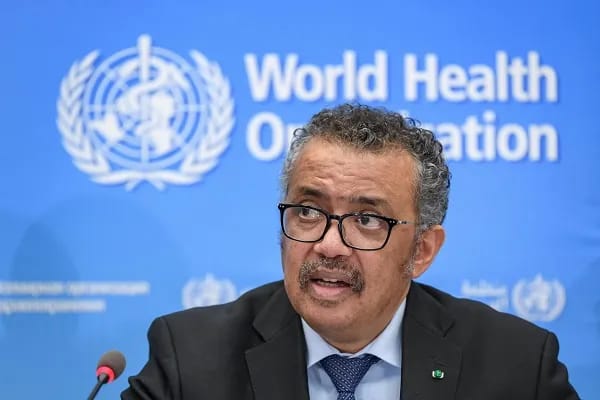
Director-General of WHO, Tedros Adhanom Ghebreyesus, described the milestone as a turning point in the global fight against malaria, noting that innovations in vaccines, diagnostics, mosquito nets and medicines are helping to reduce the disease burden.
He, however, stressed the need for sustained political will and funding, warning that ending malaria would require continued commitment from governments and partners.
In a related development, the WHO also prequalified three new rapid diagnostic tests (RDTs) to address emerging challenges in malaria detection.
The organisation explained that widely used tests based on detecting the HRP2 protein have become less reliable in some regions due to genetic mutations in the malaria parasite.
According to WHO, studies across 46 countries show that certain strains of the parasite have lost the gene responsible for producing the HRP2 protein, making them undetectable by conventional tests and leading to false-negative results.
In parts of the Horn of Africa, up to 80 per cent of malaria cases have reportedly been missed as a result.
The newly approved tests target a different protein, pf-LDH, which the parasite cannot easily alter, thereby offering more reliable diagnosis.
WHO advised countries to adopt the new testing method where more than five per cent of malaria cases are missed due to HRP2 gene deletions.
The announcements come amid renewed global concern over slowing progress in malaria control. According to the WHO’s latest malaria report, there were about 282 million cases and 610,000 deaths recorded in 2024, reflecting a rise from the previous year.
Although 47 countries have been certified malaria-free and 37 others reported fewer than 1,000 cases, the WHO warned that gains are under threat due to drug resistance, insecticide resistance, diagnostic challenges and declining international funding.
Despite the setbacks, the organisation said global efforts since 2000 have helped prevent about 2.3 billion infections and saved 14 million lives, while 25 countries are currently rolling out malaria vaccines to protect millions of children.
WHO said the 2026 malaria campaign, themed “Driven to End Malaria: Now We Can. Now We Must,” is a call for urgent action to sustain progress and accelerate efforts towards a malaria-free world.