Global efforts to eliminate viral hepatitis are yielding measurable results, but progress remains too slow and uneven to meet the 2030 elimination targets, the World Health Organization (WHO) has warned.
In its Global Hepatitis Report 2026, unveiled at the World Hepatitis Summit in Bangkok, the WHO disclosed that while new infections and deaths have declined since 2015, hepatitis continues to pose a significant global health threat, claiming 1.34 million lives in 2024 alone.
The report identified hepatitis B and C as the leading causes of hepatitis-related deaths, accounting for 95 per cent of fatalities worldwide.
Despite progress, transmission persists at an alarming rate, with over 4,900 new infections recorded daily, translating to about 1.8 million new cases annually.
According to the WHO, global interventions have led to a 32 per cent reduction in new hepatitis B infections and a 12 per cent decline in hepatitis C-related deaths since 2015.
In addition, hepatitis B prevalence among children under five has dropped to 0.6 per cent, with 85 countries meeting or surpassing the 2030 target of 0.1 per cent.
The gains, the report noted, stem from sustained political commitment and coordinated action following the adoption of global hepatitis elimination targets at the World Health Assembly in 2016.
However, it warned that current efforts are insufficient to achieve full elimination by 2030 without urgent scale-up of prevention, testing and treatment services.
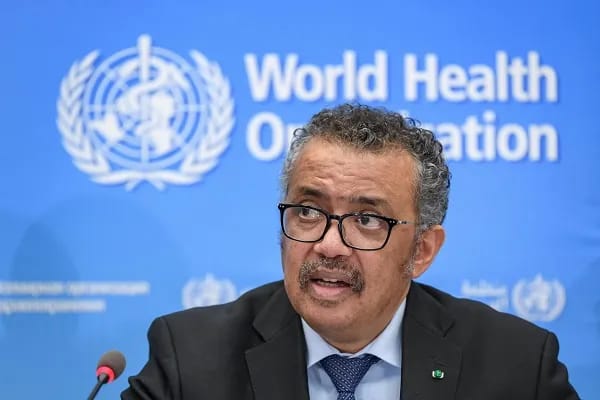
WHO Director-General, Tedros Adhanom Ghebreyesus, said although elimination is achievable, many people remain undiagnosed and untreated due to stigma, weak health systems and inequitable access to care.
He said: “Countries are showing that eliminating hepatitis is possible with sustained political commitment and financing. However, progress is too slow and uneven, and urgent action is needed to expand prevention, diagnosis and treatment.”
The report revealed that about 287 million people were living with chronic hepatitis B or C infections globally in 2024. Of these, 240 million had hepatitis B, yet fewer than five per cent were receiving treatment.
In the same year, 0.9 million new hepatitis B infections were recorded, with the WHO African Region accounting for 68 per cent of cases. However, only 17 per cent of newborns in the region received the critical hepatitis B birth-dose vaccine.
Similarly, another 0.9 million people were newly infected with hepatitis C, with people who inject drugs accounting for 44 per cent of new cases, underscoring gaps in harm reduction services.
Despite the availability of highly effective treatment, only 20 per cent of people with hepatitis C have been treated globally since 2015, when a short-course curative therapy with a success rate of about 95 per cent became widely accessible.
The WHO attributed the continued high mortality to limited access to prevention and care, noting that in 2024 alone, hepatitis B caused an estimated 1.1 million deaths, while hepatitis C accounted for 240,000 deaths. Liver cirrhosis and liver cancer were cited as the leading causes of these fatalities.
Nigeria was listed among 10 countries responsible for 69 per cent of hepatitis B-related deaths globally, alongside Bangladesh, China, Ethiopia, Ghana, India, Indonesia, the Philippines, South Africa and Viet Nam. It also featured among countries contributing significantly to hepatitis C deaths.
Director of WHO’s Department for HIV, Tuberculosis, Hepatitis and Sexually Transmitted Infections, Tereza Kasaeva, stressed that every missed diagnosis
represents a preventable death.
She called for the integration of hepatitis services into primary healthcare systems and increased efforts to reach vulnerable populations.
The report highlighted proven interventions, including the hepatitis B vaccine, which offers over 95 per cent protection, long-term antiviral treatment for managing chronic hepatitis B, and short-course curative therapies for hepatitis C lasting between eight and 12 weeks.
Countries such as Egypt, Georgia, Rwanda and the United Kingdom were cited as examples where strong political will and investment have significantly advanced hepatitis elimination efforts.
To accelerate progress, the WHO urged countries to scale up hepatitis B treatment, expand access to hepatitis C care, improve birth-dose vaccination coverage, and strengthen measures to prevent mother-to-child transmission.
It also called for improved injection safety in healthcare and community settings, as well as expanded harm reduction services for people who inject drugs.
The global health body emphasised that without intensified action, millions of lives remain at risk, warning that hepatitis elimination by 2030 will remain out of reach unless countries act decisively to close existing gaps in prevention and treatment.