
Controversy surrounds Blessing Nkiru Okoro, better known as Blessing CEO, over her claim of having stage four breast cancer. Experts warn that appearance alone cannot indicate the severity of the disease and stress that anyone seeking public support should provide proper documentation, as unverified claims can spread misinformation and erode trust.
The debate started after Blessing CEO shared on her social media pages that she had been diagnosed with stage four breast cancer. She said she needed urgent surgery, which might include removing one or both breasts.
However, many Nigerians did not fully believe her claim. Some medical experts and members of the public questioned the details she gave and asked for clear medical proof.
While some people showed concern and sympathy, others doubted the diagnosis, mainly because she looked healthy and not weak or pale, as they expected for someone with stage four cancer.
While some people showed concern and sympathy, others doubted the diagnosis, mainly because she looked healthy and not weak or pale, as they expected for someone with stage four cancer.
On March 25, Blessing CEO made an emotional post asking for financial help. She said her illness had reached an advanced stage and that she urgently needed surgery, adding that it had placed a heavy financial burden on her.
In one of the videos, she said, “I have been diagnosed with breast cancer. At this point, I urgently need surgery, including a possible amputation, to stop the spread and determine how far the tumour has gone, and whether one or both breasts will be affected.”
She added that it was a difficult decision to speak publicly, noting that she had been unable to work and had exhausted her resources, which led to her appeal for support.
In a follow-up video, she explained when she first noticed the lump and how her condition changed.
“It started last year as a lump, and I went to the hospital. After tests, I was told it was not cancerous, so I decided not to remove it at the time,” she said.
“But when I was ready to remove it, another test showed it was cancerous and had spread to the left breast. We are now considering an amputation.”
A medical doctor, The Bearded Dr Sina, took to X (formerly Twitter) to criticise her explanation, raising concerns about possible inconsistencies in her claims.
He questioned her statement about having stage four cancer while also suggesting surgery to determine how far it had spread, noting that stage four already means the cancer has spread to other organs.
Meanwhile, medical professionals who spoke with The Nation emphasized that appearance alone cannot determine cancer stage.
Chief Executive Officer of Drew Consult, Dr. Andrew A. John, explained that stage four breast cancer can be asymptomatic, meaning patients may not show visible signs.
He said the absence of symptoms does not imply dishonesty and stressed that outward appearance is not a reliable indicator of disease status.
He cited research showing that some breast cancer cases are already metastatic at diagnosis and may be discovered through tests rather than obvious symptoms.
Dr. John urged both professionals and the public to avoid judging patients based on appearance, noting that a person may look well while living with advanced cancer.
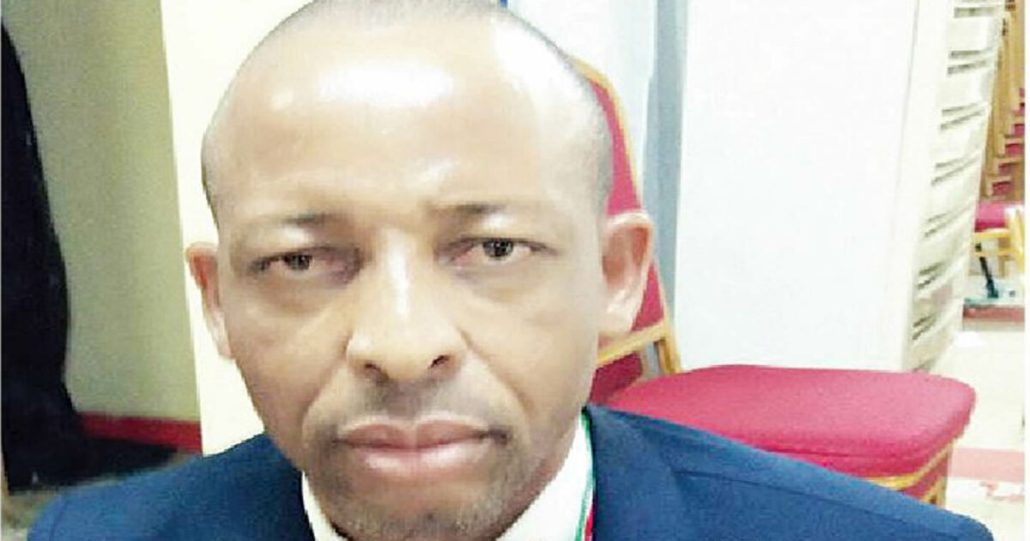
Supporting this view, the Nigerian Medical Association (NMA), Lagos State chapter, Dr. Babajide Saheed, said physical appearance does not always reflect disease severity because breast cancer affects people differently.
*Stage 4 breast cancer, spread, symptoms, treatment realities*
The National President of the Association of Medical Laboratory Scientists of Nigeria, Dr. Casmir Ifeanyi, explained that stage four breast cancer, also known as advanced or metastatic cancer, occurs when cancer cells spread beyond the breast to other parts of the body.
He said this spread, known as metastasis, means the disease becomes systemic, affecting the whole body rather than one location.
Despite being the most advanced stage, he noted that it is not a death sentence, as treatment options exist to manage the disease and improve quality of life. These include chemotherapy, hormonal therapy, targeted therapy, and immunotherapy, depending on the type of cancer.
He explained that symptoms vary depending on where the cancer has spread, making it difficult to judge based on appearance. Some patients may even appear healthy, especially if treatment is effective.
He added that disease progression differs among patients, with some living for years under treatment, while others may experience faster progression.
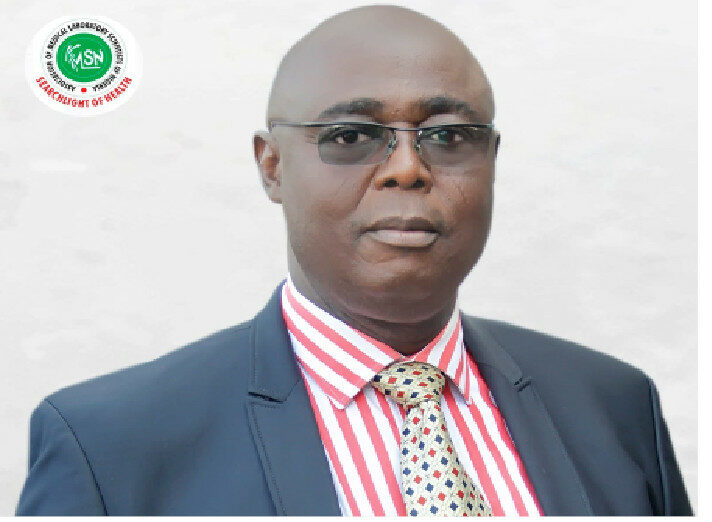
Dr. Ifeanyi urged Nigerians to avoid spreading misinformation and rely on verified medical information, noting that cancer cannot be assessed by assumptions or appearance.
*Breast cancer prevalence in Nigeria*
Dr. Ifeanyi said breast cancer is the most common cancer among women in Nigeria and a leading cause of cancer deaths.
Studies show that about 8 in 10 women are diagnosed at advanced stages, contributing to lower survival rates compared to other countries.
He attributed late diagnosis to low awareness, limited access to screening, high treatment costs, and weak health systems, warning that deaths may continue to rise without urgent action.
*How breast cancer is diagnosed*
He explained that diagnosis involves physical examination, imaging tests such as mammograms and scans, and a biopsy, which confirms the presence of cancer.
Additional tests may be conducted to determine whether the cancer has spread, while early detection remains key to better outcomes.
*NMA stresses verified documentation for medical fundraising appeals*
On medical fundraising, Dr. Saheed said anyone seeking public support should provide proper documentation to prove their claims.
He noted that without evidence, such appeals can lead to misinformation and mistrust, especially on social media.
He added that patients should disclose the hospital handling their case and present results of necessary tests.
While social media can support awareness and fundraising, he warned that unverified claims could reduce trust and affect genuine cases.
Dr. Ifeanyi also stressed that credibility is important, especially when claims are not backed by medical reports.
He noted that while Nigerians are compassionate, transparency is necessary to maintain trust and ensure support reaches those who truly need it.
Experts advised the public to rely on verified medical documentation before responding to fundraising appeals and warned that unverified claims could mislead people and divert support from genuinely ill patients.