Tuberculosis (TB) samples are piling up in some health facilities in Lagos due to shortages of diagnostic cartridges needed to process specimens, raising concerns about delays in detecting and treating the disease.
The Lagos State Advocacy Team on HIV/AIDS, Tuberculosis and Malaria (ATM) said some laboratories could not process samples collected from people suspected of having TB because they lacked the cartridges required to operate GeneXpert machines.
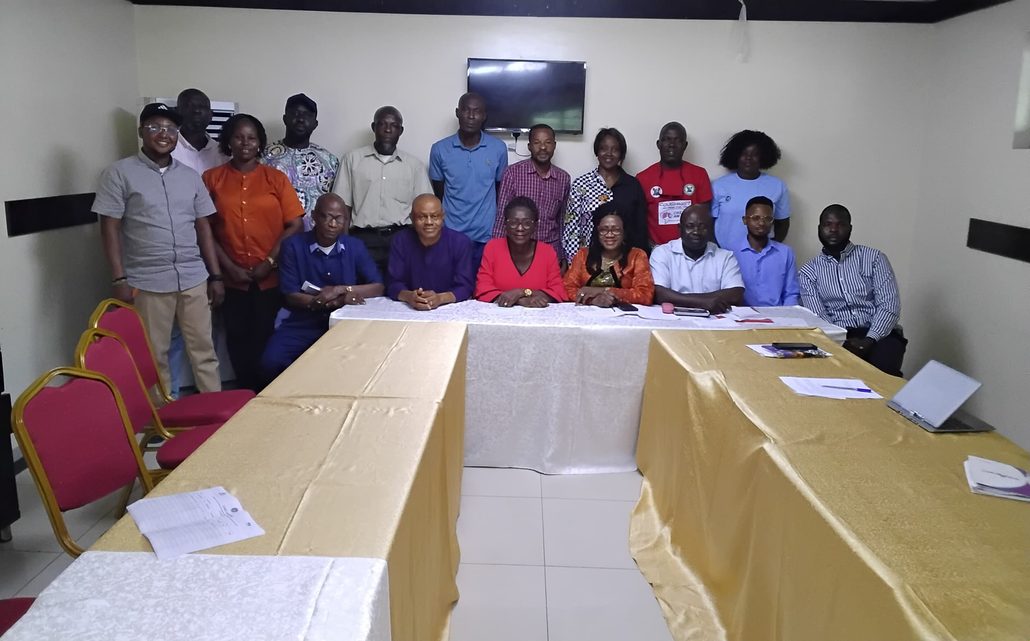
The Lagos State Coordinator of the TB Network and team lead for ATM coordinators, Mrs Ifelunwa Meg Aipoh, disclosed this at a media meeting on the Global Fund GC7 Integrated Community-Led Monitoring (I-CLM) project in Lagos.
Aipoh said the problem was compounded by the volume of samples received by health facilities and the limited capacity to process them.
She called for diagnostic supplies to be allocated according to the number of patients and samples handled by each facility, noting that busy general and teaching hospitals also faced pressure on their testing capacity.
The GeneXpert system uses specialised cartridges to analyse specimens and help detect TB. Without the required cartridges, laboratories cannot process samples using the machines, potentially delaying diagnosis and treatment.
The ATM team urged the Federal Government to ensure regular supplies of diagnostic materials and essential TB medicines, warning that disruptions could undermine efforts to control the disease and increase the risk of further transmission.
It also called for increased domestic funding for TB prevention, diagnosis and treatment, as well as improved planning and accountability in the distribution of essential commodities.
The advocacy initiative is being implemented by three civil society networks — the Network of People Living with HIV and AIDS in Nigeria (NEPWHAN), the Association of Civil Society Organisations on Malaria, Immunisation and Nutrition (ACOMIN), and the TB Network — in collaboration with the Institute of Human Virology Nigeria, with support from the Global Fund.
Through community-led monitoring, the networks document barriers to healthcare access and advocate improvements in service delivery.
In Lagos, the initiative reported interventions at primary healthcare centres between July and September 2026, including the provision of essential medicines and medical equipment, repairs to solar power systems, restoration of water supply and donations of other facility supplies.
The team also called for expanded health insurance coverage for poor and vulnerable Nigerians to reduce financial barriers to accessing healthcare.