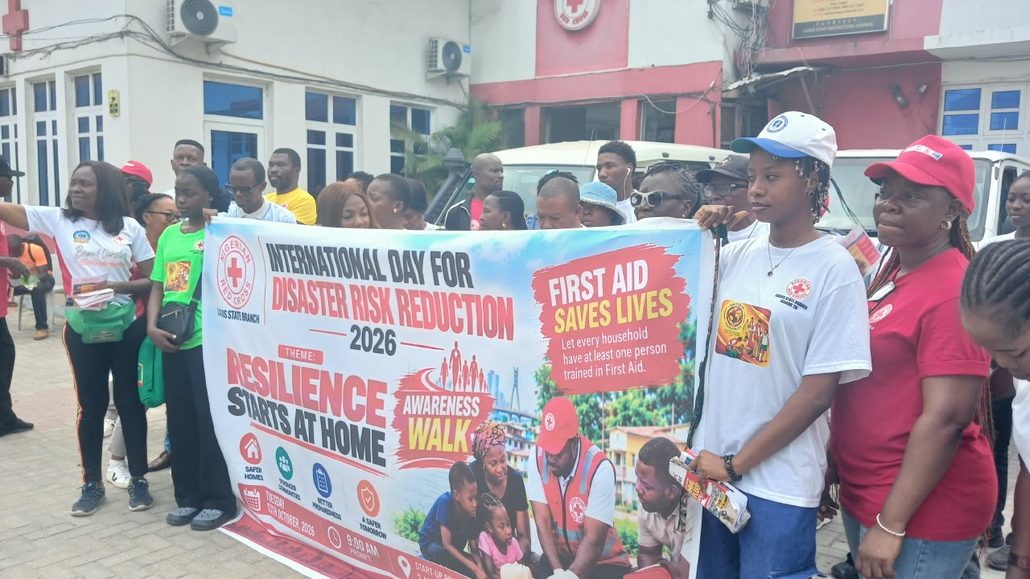
The Nigerian Red Cross Society, Lagos State Branch, has urged households in flood-prone communities to adopt early disaster preparedness measures to protect lives and property.
The call was made during an awareness walk through Makoko, Lagos, where about 120 volunteers and members of the humanitarian organisation sensitised residents on flood risks and practical steps to prevent disasters.
The exercise, held to mark the 2026 International Day for Disaster Risk Reduction (IDDRR), focused on the theme, “Resilience Starts at Home.”
The volunteers distributed information, education and communication materials on flooding and disaster risk reduction as they moved through the waterfront community, encouraging residents to take preventive measures before emergencies occur.
The campaign highlighted the need for individuals and families to make disaster preparedness a priority, particularly in communities vulnerable to flooding.
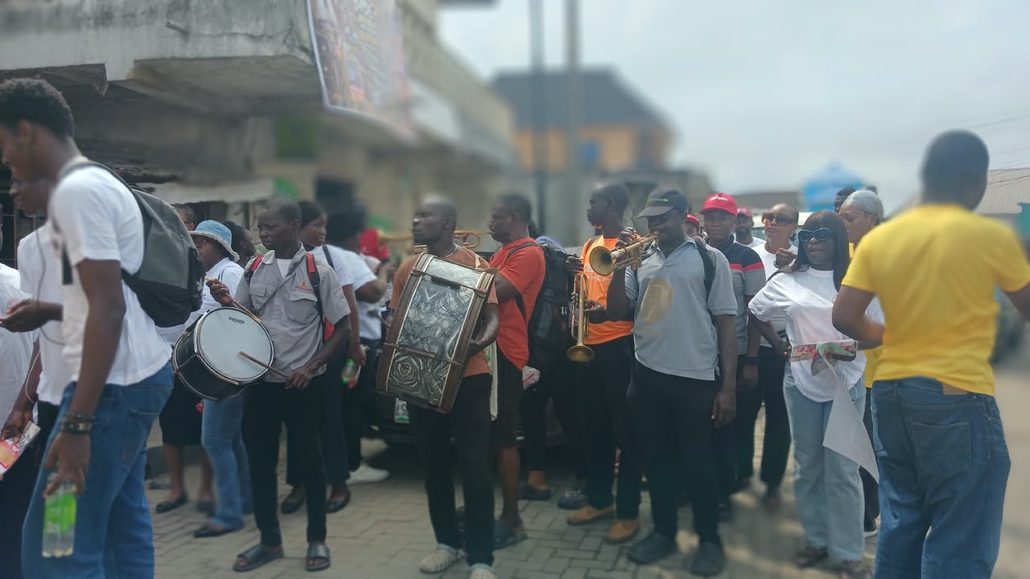
The Red Cross said raising public awareness and encouraging community participation were essential to reducing disaster risks and strengthening the capacity of residents to respond to emergencies.
The awareness walk was flagged off by the Lagos State Branch Vice-Chairman, Mr Segun Akande, with support from the Branch Secretary, Mr Olakunle Lasisi; Disaster Management Officer, Mr Ige Oladimeji; and other officials and members.
The organisation emphasised that disaster preparedness should begin at the household level and extend to the wider community, with residents taking practical steps to anticipate hazards and minimise their impact.
It said the outreach was part of its efforts to strengthen disaster risk reduction, promote community engagement and protect vulnerable populations across Lagos State.
The International Day for Disaster Risk Reduction is observed annually on October 13 to promote awareness and action towards reducing disaster risks and building resilient communities.
The Makoko campaign reinforced the message that effective disaster management requires preparation before emergencies occur, rather than relying solely on emergency response after a disaster.