Every dry season, Lassa fever returns, cases rise, people die, the government responds, and the cycle repeats. After more than 50 years the disease was first identified in Nigeria, this is no longer a surprise, it is a failure of prevention. A disease linked to poor sanitation, weak housing, and fragile healthcare systems continues to claim lives. Responding to outbreaks is not the same as stopping them. Preventable deaths should never become routine. Chinyere Okoroafor reports.
Recently, a young doctor, Salome Oboyi, died after contracting Lassa fever from a pregnant patient she was managing at Bingham University Teaching Hospital (BHUTH) in Jos, Plateau State.
According to colleagues, the senior resident in the Obstetrics and Gynaecology department developed symptoms consistent with Lassa fever, including persistent fever and weakness, which later worsened. Despite medical intervention, complications from the virus proved fatal.
Confirming Oboyi’s passing, Plateau State Commissioner for Health, Nicholas Baamlong, said the state government was aware of the Lassa fever case. He added that vaccines had been procured and would soon be administered across the state, alongside intensified sensitisation campaigns to educate residents on the prevention and control of Lassa fever.
Stating the obvious, Dr. Oboyi’s death exposes a persistent gap in public health preparedness: despite Jos having experienced Lassa fever outbreaks before, government education and vaccination campaigns have largely remained reactive, not only in Plateau State, but also in Edo, Ondo, Bauchi, Taraba, and Ebonyi, where the disease consistently resurfaces, leaving frontline health workers and communities vulnerable until tragedy strikes.
Following her death, the Nigerian Association of Resident Doctors (NARD) raised concerns over the safety of healthcare workers, while hammering that her death was not accidental but a consequence of systemic failures within Nigeria’s healthcare system.
The implication of that position is clear. By saying her death was not accidental, NARD is blaming system failures, not fate. The association argues that when hospitals lack proper protective equipment, testing is delayed, isolation measures are weak, and outbreak response is poor, deaths like this become predictable. In simple terms, weak funding, poor disease monitoring, and slow government action create conditions where preventable deaths happen.
NARD’s statement is also a warning. If these problems are not fixed, healthcare workers will continue to work in fear, morale will drop, and more doctors may leave the country or quit due to stress. Their message shifts the focus from mourning one doctor to demanding urgent reforms that will better protect health workers and strengthen Nigeria’s health system.
Last week in Kano, another health worker died during a Lassa fever outbreak. But beyond the numbers are real people and broken families. Doctors and nurses continue to risk their lives on the frontline. Yet they are not the only ones in danger. Children, pregnant women, farmers in rural areas, and market women who work in crowded spaces are also at high risk. When diagnosis is delayed, the virus spreads quickly and the consequences are devastating. For pregnant women especially, Lassa fever often leads to severe complications, including the loss of both mother and baby.
What is Lassa fever
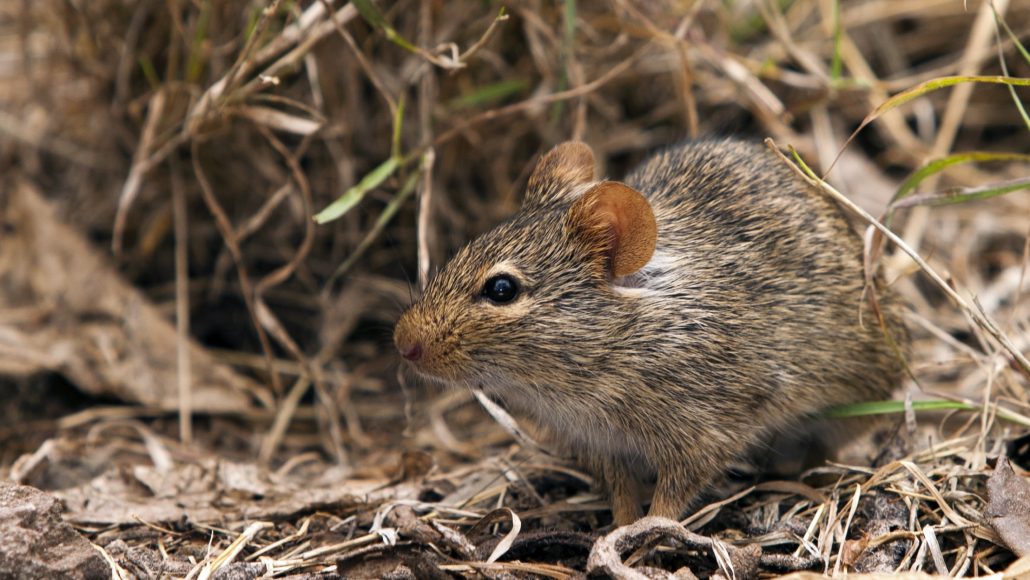
Lassa fever is a serious viral illness that spreads mainly through contact with food or household items contaminated by urine or droppings of infected rats, especially the common “multimammate” rat found in parts of West Africa. It can also spread from person to person through contact with the blood, urine, saliva, or other body fluids of an infected person, particularly in hospitals without proper protective measures.
Early symptoms often look like malaria or typhoid, fever, weakness, headache, sore throat, and body pain. But in severe cases, it can cause bleeding, breathing problems, organ failure, and even death if not treated quickly. Early diagnosis and proper medical care greatly improve survival.
History of Lassa Fever in Nigeria
Lassa fever was first identified in 1969 in Lassa, a town in present-day Borno State, after two missionary nurses died from a previously unknown illness. Laboratory investigations led to the discovery of a new virus, which was named after the town.
In subsequent years, cases emerged across several parts of Nigeria, especially in rural areas. Researchers identified the multimammate rat (Mastomys natalensis) as the main carrier. Infection occurs through contact with food or household items contaminated by rat urine or droppings, or through exposure to the bodily fluids of infected persons. By the 1970s, the disease was recognised as regularly occurring in Nigeria.
From the 1990s, outbreak reporting became more structured. Healthcare workers were increasingly affected due to delayed diagnosis and inadequate infection prevention measures. Irrua Specialist Teaching Hospital became a major centre for treatment and research.
A significant shift occurred in 2018 when Nigeria recorded one of its largest outbreaks, prompting the Nigeria Centre for Disease Control (NCDC) to begin publishing weekly situation reports. Cases are now reported yearly, particularly during the dry season between December and April.
Despite improvements in reporting and diagnosis, the disease has not disappeared. Instead, it has become a recurring headline and an annual obituary list. It is safe to say that Lassa fever is no longer a mysterious outbreak; it has become an entrenched national failure
NCDC Data
Data from NCDC show a troubling pattern. In 2021, 510 confirmed cases were reported. In 2022, confirmed cases more than doubled to 1,067, with 164 deaths.
By 2023, Nigeria recorded 1,170 confirmed cases and 200 deaths, the highest documented toll in recent annual data. In 2024, over 1,000 confirmed cases were again reported, with approximately 190 deaths across several states.
According to NCDC, four health workers were infected with Lassa fever as of the third week of 2026, while hundreds of cases and 98 deaths had already been recorded by March in 2025, with further outbreaks continuing throughout the year.
As of week three of 2026, Nigeria has recorded 405 suspected Lassa fever cases, with 93 confirmed infections across 28 local government areas in nine states. The outbreak has led to 17 deaths so far, with a case fatality rate of 18.1 per cent.
Although, there aren’t comprehensive nationwide statistics that regularly report pregnancy‑specific Lassa fever deaths, but general outbreak data from NCDC shows high overall fatality rates, and public‑health reports note that children and pregnant women are among the most vulnerable groups.
Recent epidemiological data show that Ondo and Edo states continue to bear the heaviest burden of Lassa fever, accounting for more than half of confirmed cases in many outbreak years. Bauchi, Ebonyi, Taraba, Benue and Nasarawa are also affected.
IData from NCDC show a troubling pattern. In 2021, 510 confirmed cases were reported. In 2022, confirmed cases more than doubled to 1,067, with 164 deaths. By 2023, Nigeria recorded 1,170 confirmed cases and 200 deaths, the highest documented toll in recent annual data. In 2024, over 1,000 confirmed cases were again reported, with approximately 190 deaths across several states.
According to NCDC, four health workers were infected with Lassa fever as of the third week of 2026, while hundreds of cases and 98 deaths had already been recorded by March in 2025, with further outbreaks continuing throughout the year.
As of week three of 2026, Nigeria has recorded 405 suspected Lassa fever cases, with 93 confirmed infections across 28 local government areas in nine states. The outbreak has led to 17 deaths so far, with a case fatality rate of 18.1 per cent.
Although, there aren’t comprehensive nationwide statistics that regularly report pregnancy‑specific Lassa fever deaths, but general outbreak data from NCDC shows high overall fatality rates, and public‑health reports note that children and pregnant women are among the most vulnerable groups.
Recent epidemiological data show that Ondo and Edo states continue to bear the heaviest burden of Lassa fever, accounting for more than half of confirmed cases in many outbreak years. Bauchi, Ebonyi, Taraba, Benue and Nasarawa are also affected.
In Epidemiological Week 6 of 2026, 74 new confirmed cases were recorded. From Week 1 to Week 6, the country reported 240 confirmed cases and 51 deaths, with a case fatality rate higher than the same period in 2025.
Health authorities warn that these figures reflect only laboratory-confirmed cases. In rural communities with limited access to testing, cases are likely missed, and some deaths occur before diagnosis.
The dry season, typically November to April, has again triggered what has become a predictable national emergency. After more than five decades since the disease was first identified in Nigeria, its annual resurgence raises concerns about gaps in prevention and response.
The Nigeria Centre for Disease Control and Prevention (NCDC) acknowledges operational constraints. Its Director-General, Jide Idris, cited high transportation costs, weak reporting systems and data gaps as key factors slowing early detection in some states.

Photo: Jide Idris
Transporting samples from remote areas to laboratories remains costly, delaying confirmation. Reporting lapses, including cases confirmed at tertiary hospitals without notifying state authorities, have also disrupted surveillance. Poor internet connectivity and limited funding for data transmission further complicate timely updates.
Although the NCDC coordinates national response efforts, it maintains that outbreak control ultimately depends on effective action at state and local levels.
The recurring pattern suggests that while surveillance structures exist, systemic weaknesses continue to hinder swift containment.n Epidemiological Week 6 of 2026, 74 new confirmed cases were recorded. From Week 1 to Week 6, the country reported 240 confirmed cases and 51 deaths, with a case fatality rate higher than the same period in 2025.
Health authorities warn that these figures reflect only laboratory-confirmed cases. In rural communities with limited access to testing, cases are likely missed, and some deaths occur before diagnosis.
The dry season, typically November to April, has again triggered what has become a predictable national emergency. After more than five decades since the disease was first identified in Nigeria, its annual resurgence raises concerns about gaps in prevention and response.
The Nigeria Centre for Disease Control and Prevention (NCDC) acknowledges operational constraints.
Its Director-General, Jide Idris, cited high transportation costs, weak reporting systems and data gaps as key factors slowing early detection in some states.
Transporting samples from remote areas to laboratories remains costly, delaying confirmation. Reporting lapses, including cases confirmed at tertiary hospitals without notifying state authorities, have also disrupted surveillance. Poor internet connectivity and limited funding for data transmission further complicate timely updates.
Although the NCDC coordinates national response efforts, it maintains that outbreak control ultimately depends on effective action at state and local levels.
The recurring pattern suggests that while surveillance structures exist, systemic weaknesses continue to hinder swift containment.
How governance gaps keep Lassa Fever alive
According to the President of the African Pest Control Association (APCA), Mr. Innocent Onjeh, Lassa fever is not a mystery. The virus is carried by multimammate rats, common household pests that thrive where waste management is poor, food storage is inadequate, and sanitation is weak.
“Open refuse dumps, food dried on open ground, grains stored in easily accessible containers, bush burning, and overcrowded housing all push rats into homes,” Onjeh said.
“These are not acts of fate; they are infrastructure and policy failures. Yet every year, Nigeria responds as if each outbreak is a sudden crisis.”
Rodent control, he stressed, is central to preventing the disease. “Rats live in homes and food storage areas, shed the virus in urine and droppings, and reproduce rapidly. Lassa fever is as much an environmental disease as it is a medical one.”

Photo: Innocent Onjeh
Unfortunately, he said, current rodent control efforts in the country are not effective, it mostly reactive rather than preventive. They focus on outbreaks instead of long-term environmental improvements and remain weak at the community level.
He highlighted several key gaps in Nigeria’s approach to controlling Lassa fever, including the absence of a national rodent control policy, poor enforcement of sanitation laws, limited funding for integrated pest management, and minimal community education on prevention.
What works and what must change
Some hospitals show that Lassa fever deaths can be prevented. Onjeh pointed to specialist centres in Irrua, Edo State, and Ondo State, where early diagnosis, isolation wards, proper ribavirin treatment, and strict infection control have saved lives.
“These successes prove Lassa fever can be controlled,” he said. “But what works in a few centres must reach the whole country.”
While Nigeria has improved laboratory capacity and strengthened NCDC surveillance, Onjeh warned that major gaps remain.
“Sanitation enforcement is weak, rodent control is minimal, and rural areas still face delays in testing and treatment,” he said. “Without sustained funding and systemic reforms, outbreaks will continue.”
He noted that vaccines and treatments are under research, but none is yet widely available. “Prevention today depends on clean environments, early detection, and strong infection control,” Onjeh said.
Citizen action
Onjeh urged Nigerians to protect themselves by storing food in sealed containers, covering waste bins, blocking holes in homes, avoiding contact with rodents, washing hands regularly, and seeking prompt medical care for persistent fever.
But he stressed that personal effort cannot replace government responsibility. “Citizens can be careful, but only strong systems, consistent funding, and proper infrastructure can stop Lassa fever from returning every year,” he said.
Call to action
Onjeh said the onus is on the government to decide whether Lassa fever will end or continue as a yearly tragedy.
According to him, the first step is simple: clean up the environment and control rodents all year round, not only during outbreaks.
“Government must enforce sanitation laws, invest in proper waste management, and launch a national rodent control programme in every local government,” Onjeh said. “As long as rats continue to thrive in our homes and markets, Lassa fever will not go away.”
He stressed that early detection is critical. Laboratories must be expanded beyond major cities, surveillance systems strengthened, and test results delivered faster.
“Healthcare workers must have steady supplies of protective equipment, regular training, and strict infection control systems.
If we fail to protect our health workers, we weaken the entire health system,” he said.
Onjeh also called for sustained funding for vaccine and treatment research, noting that emergency spending during outbreaks is not enough.
“We cannot continue to fund panic. We must fund prevention,” he said. “Without decisive and permanent action, Lassa fever will keep killing Nigerians every year.”
While urging stronger international collaboration, he insisted that the primary responsibility lies with Nigeria.
“International support can help, but the real solution starts at home. The virus lives in rodents, but its persistence lives in policy gaps,” Onjeh said.
“After 56 years, the question is no longer whether we understand Lassa fever. The question is whether we are ready to end the conditions that allow it to survive.”