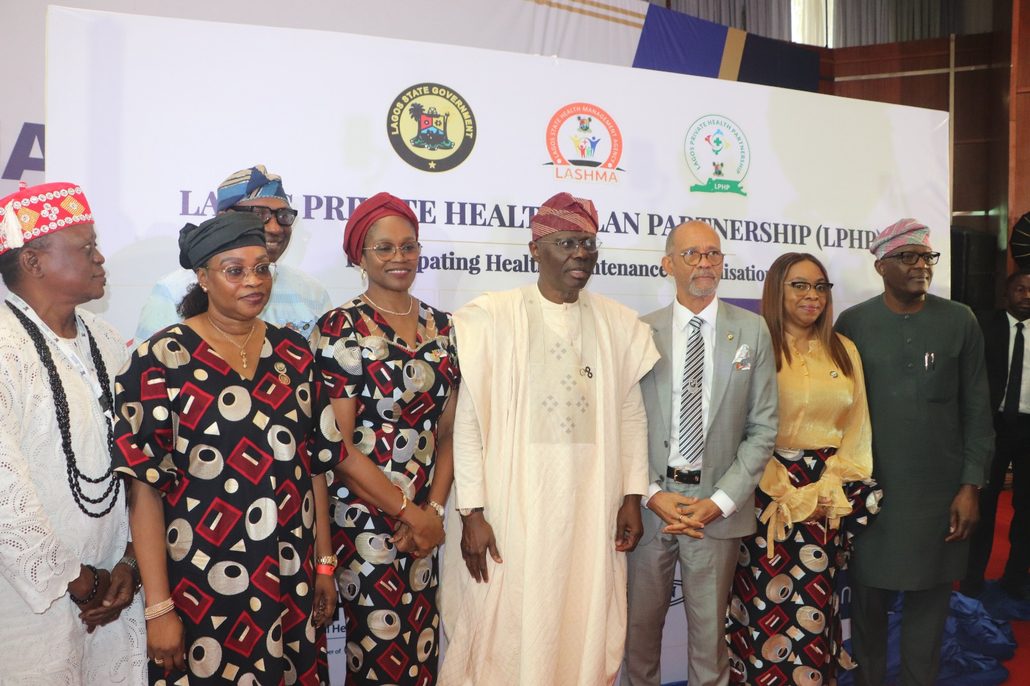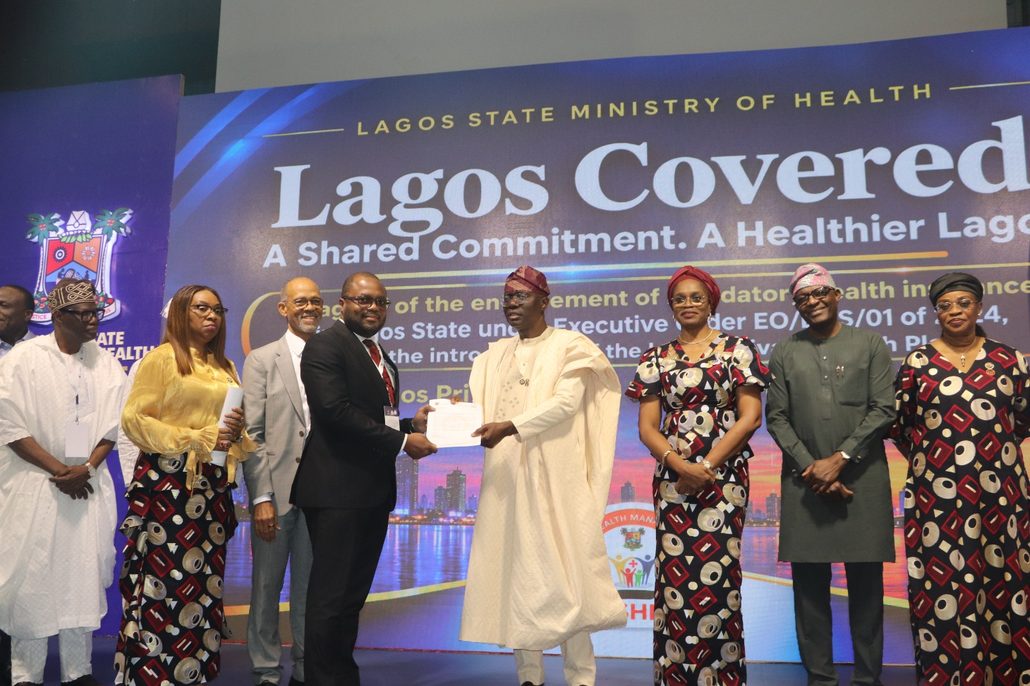
The Lagos State Government has given employers, workers and residents until December 31, 2026, to comply with mandatory health insurance, warning that enforcement will begin on January 1, 2027.
Governor Babajide Sanwo-Olu announced this on Tuesday during the launch of the Lagos Private Health Plan (LPHP) Partnership at the Lagos Continental Hotel, Victoria Island, where 21 Health Maintenance Organisations (HMOs) endorsed the initiative.
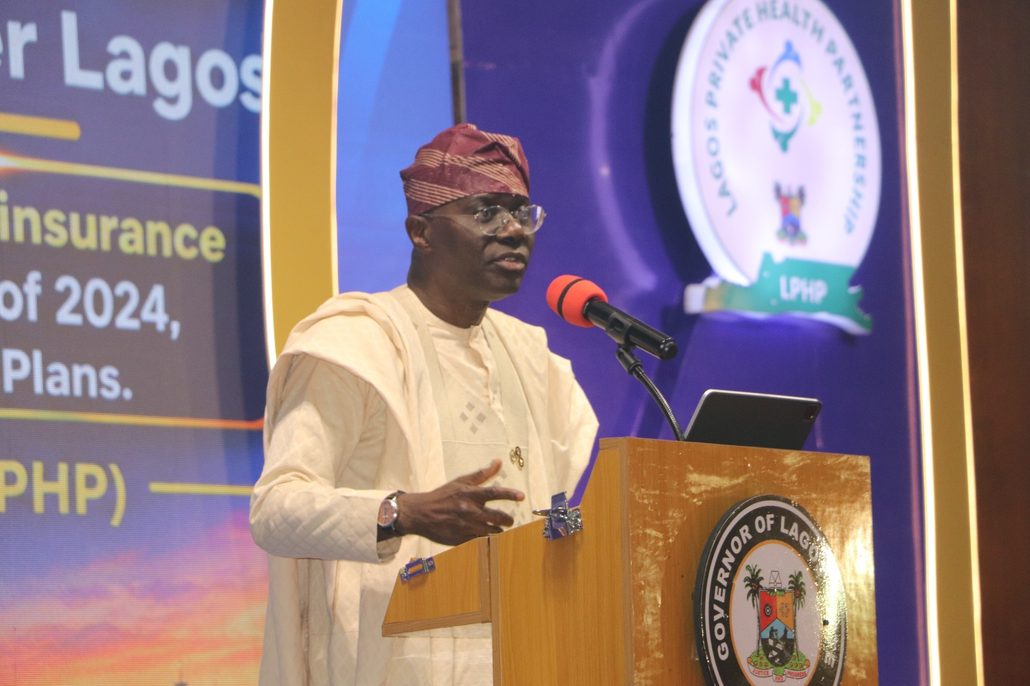
Sanwo-Olu said the policy was aimed at expanding health insurance coverage and reducing residents’ dependence on out-of-pocket payments for medical care.
He urged employers and workers to use the grace period to select appropriate insurance plans and complete their enrolment, adding that the government would prioritise compliance over confrontation.
“We want compliance, not unnecessary confrontation,” he said.
The governor said the initiative, backed by Executive Order EO/BOS/01/2024 signed on July 16, 2024, would complement the state’s existing Ilera Eko health insurance scheme by providing additional options for formal-sector employees and corporate organisations.
According to him, the existing scheme was designed primarily to support vulnerable residents and informal-sector workers, making a complementary arrangement necessary to expand coverage among salaried workers and businesses.
He said actuarial analysis of about two million claims and enrolment records informed the development of the new plan.
The government also established an implementation steering committee and an enforcement task force to oversee compliance, while operational guidelines are expected to clarify contributions, minimum benefit packages and the responsibilities of participating organisations.
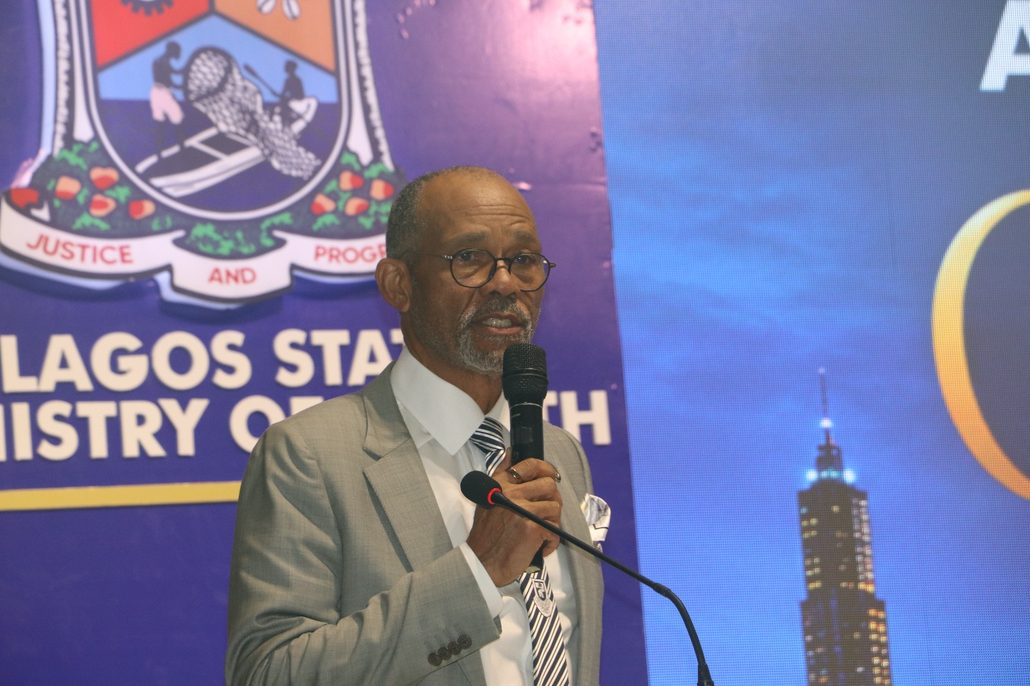
Commissioner for Health, Prof. Akin Abayomi, said mandatory participation was necessary to build a sufficiently large insurance pool capable of spreading healthcare costs across the population.
He explained that voluntary insurance schemes often struggle to attract healthy people, who may defer enrolment until they require medical attention.
Abayomi said the policy would help protect households from financial hardship, provide healthcare facilities with more predictable revenue and reduce congestion in public hospitals.
He disclosed that Lagos was targeting an increase in the number of insured residents from about two million to at least 10 million.
The commissioner added that participating HMOs had been accredited by the National Health Insurance Authority.
Special Adviser to the Governor on Health, Dr Kemi Ogunyemi, said the executive order provided the framework for compulsory health insurance for residents and required public and private employers to provide coverage for their workers.
She said the partnership would allow individuals, families and employers to choose from accredited insurance plans suited to their needs.
Ogunyemi added that the initiative was designed to bring insurers and healthcare providers into a coordinated regulatory framework rather than penalise private operators.
Chairman of the Governing Board of the Lagos State Health Management Agency (LASHMA), Dr Adebayo Adedewe, said the state had intensified public sensitisation through radio, billboards, digital campaigns and engagements with community leaders, market associations and transport unions.
He also disclosed that funding for the Lagos State Health Equity Fund had increased from N1 billion to N3 billion, with a target of enrolling 500,000 vulnerable residents.
Permanent Secretary, Ministry of Health, Dr Dayo Lajide, said the programme was particularly important given the financial burden of healthcare on Nigerian households.
She cited a National Health Insurance Authority report indicating that out-of-pocket payments accounted for 58 per cent of Nigeria’s total health expenditure in 2024.
Representatives of healthcare providers, however, called for transparent implementation, timely reimbursement of claims and simplified payment procedures.
National President of the Healthcare Providers Association of Nigeria, Dr Aipoh Augustine, said the scheme’s success should be measured not only by enrolment figures but also by residents’ ability to obtain appropriate treatment without financial distress.
National President of the Guild of Medical Directors, Dr Raymond Abiodun Kuti, stressed the need for transparency and accountability to build public trust, while immediate past President of the Health and Managed Care Association of Nigeria, Dr Leke Oshunniyi, said effective insurance would help providers receive payment for services and reduce patients’ financial burden.
The state government said a digital platform, developed with support from Sterling Bank, would facilitate enrolment and enable employers to register their workers.
Full enforcement of the mandatory health insurance policy is scheduled to begin on January 1, 2027, following the expiration of the grace period on December 31, 2026.